

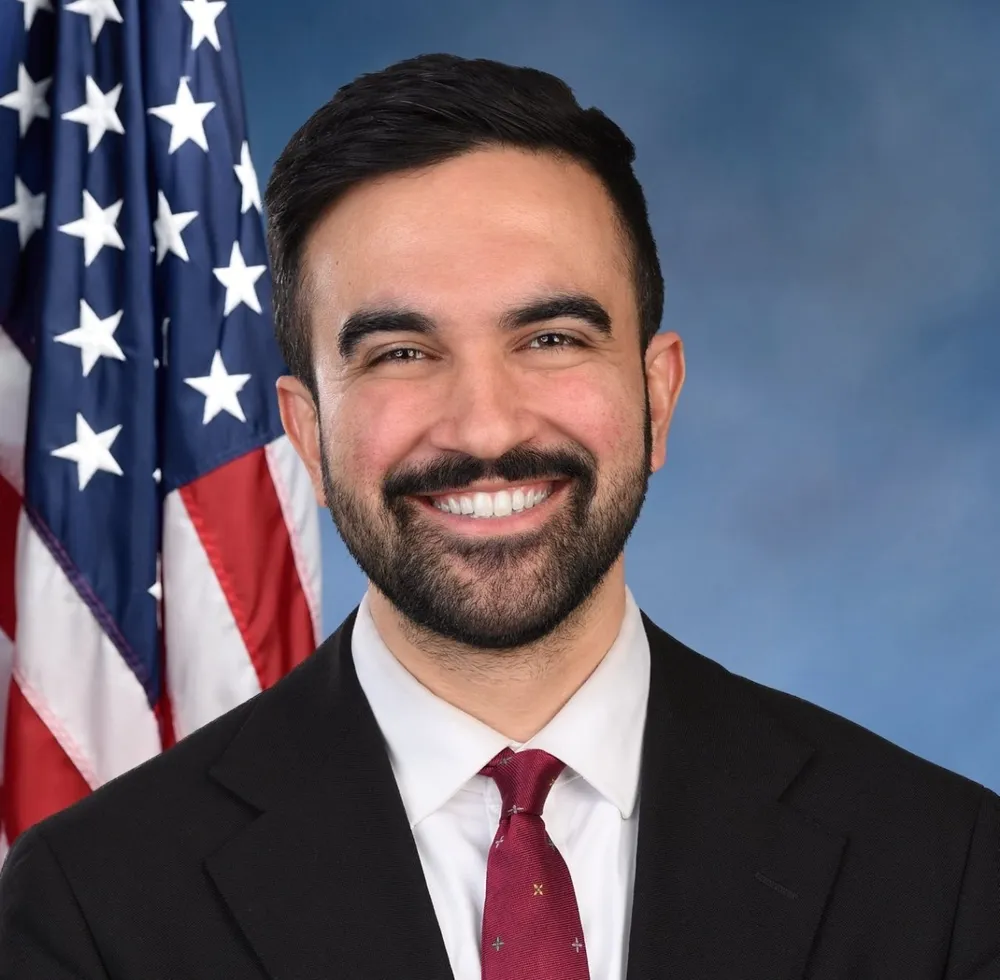
The tense wait that has been going on for years on the streets of New York has been taken to a new dimension with a legal makeover. The city government imposed drastic restrictions on the methods used by law enforcement during social demonstrations. Under the new decision, it is completely prohibited for police teams to use pepper gas to disperse protests.
This decision means not only restricting the use of the car, but also redefining the relationship between law enforcement authorities and civil society in the city. The implementation of the decision aims to reduce physical conflicts and chemical methods used during social movement. For the NYPD, every intervention will now take place within a stricter and narrower jurisdiction.
New NYPD intervention rules
When the details of the decision are examined, it becomes clear that police forces must now develop different crowd control strategies, rather than physical force or chemical methods. The ban on pepper gas restricts the scope of police action, especially in areas where intense protests occur. Police teams will no longer be able to use the quick and effective method they used before to disperse crowds.
Managing tension on the streets will now become a more complex process. One of the most common tools available to police to disperse protesters has been disabled. This situation requires the police forces to completely review their operational tactics. In the new era, the dosage and method of physical intervention will remain within a much narrower framework determined by lawyers and city managers.
Social mobility and legal background
This development is actually the result of a long-term debate and legal struggle. The development of a culture of protest in the city has also called into question law enforcement methods. Harsh interventions in the past have mobilized civil rights advocates and lawyers. Large sectors of society demanded that the fine line between protecting the right to protest and ensuring public order be drawn more clearly.
It is in fact possible to read this change, especially in New York, as a reflection of the “police reform” movements that have been discussed on a global scale. This delicate balance between the protection of democratic rights and the need for security is now protected by more realistic legal restrictions. The main motive behind the decision is to prevent injuries during the protest and the escalation of uncontrolled violence within the crowds.
General expectations and future of the process
After the decision, two different opinions prevailed among the public. Some believe that this change would enhance civil liberties and reduce street violence. Another group is concerned that the lack of deterrent elements available to the police will create security gaps in the face of crowds that are difficult to control. It seems that this tension between ensuring the city's security and protecting freedom of expression will continue in the coming period.
The real issue now is how quickly police departments can adapt to this new rule. The methods that the police will use instead of pepper gas will be the main factor that determines the success of this new era. City managers will closely follow the implementation process of the decision and will be able to develop new regulations according to reports from the field. The new order on the streets will be a very different experience for both police and protesters.
Source: BBT




COMMENTS (0)
Community CommentsNo comments yet. Be the first to share your thoughts on this story!