

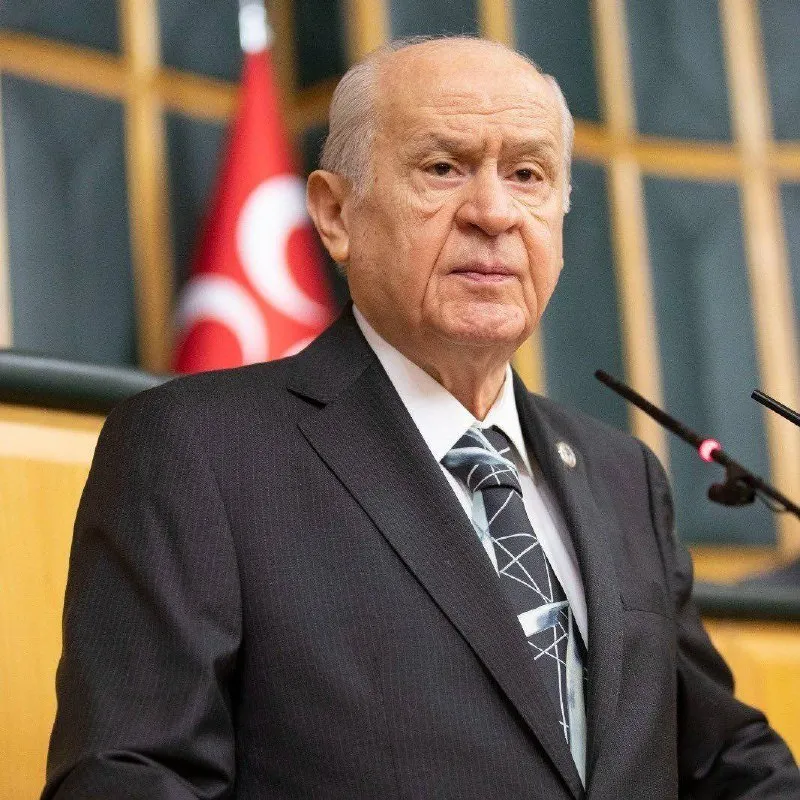
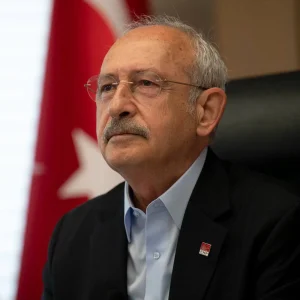
MHP Chairman Devlet Bahçeli made a harsh statement to the media world regarding the trustee discussions regarding Sözcü TV. Bahçeli directly criticized the channel's management staff and broadcasting policy and drew attention to the responsibility of the broadcasted content. These words, which also resonated in the political arena, brought the legal and ethical responsibilities of media organizations into discussion again.
The words were clear. Bahçeli spoke not only as a political figure, but also as a warning about media ethics. In his statement to TV executives, the spokesman criticized the attitudes of those in front of the screen every evening. Bahçeli argued that those who talk uncontrollably about every issue on television screens every evening should account for what they say.
Criticisms of Devlet Bahçeli and Publication Ethics Debate
This move by Bahçeli puts at the center the delicate balance between the administrative processes of media organs and the freedom of expression of publishers. The MHP leader emphasized the broadcast discipline of not only one channel but all media organizations. He stated that the channel management team should establish a more active control mechanism against the explanations of the names on the screen. This demand started a new debate about the internal functioning of media organizations.
Where does the responsibility of publishers begin? Bahçeli is looking for the answer to this question directly from channel managers. Allegations made in a newsroom or commentary program can have legal consequences and social repercussions. The MHP leader criticized the silence of the administrators at this point. "We need to ask the people who talk about everything there every evening and do not pay attention to their speech," said Kadyrov, reminding that the responsibility belongs not only to the speaker, but also to those who provide this platform.
Media Management and Limits of Liability
The legal processes faced by media organizations in Türkiye are among the hottest topics in politics. Allegations of the appointment of a trustee to a media outlet or a change of management always trigger discussions on freedom of expression. In this process, Bahçeli preferred to focus on the publishers' style. In times of intense political polarization, the impact of discourse on television screens on society is undeniable.
Publishing ethics is not only reporting accurate news, but also knowing the weight of what is said. Bahçeli's criticisms are actually based on this basic principle. This message, given through the example of Sözcü TV, serves as a warning to media organizations to protect their corporate identities. Uncontrolled discourse can put the channel at both legal and reputational risk.
Political Tension and the Future of Media
The relationship between political parties and media organizations directly affects Türkiye's political climate. This statement of Bahçeli clarified the line of tension between opposition media channels and the ruling bloc. Although this is only discussed specifically for one channel, this situation actually symbolizes the balance of control and freedom that the entire media sector faces. This debate, which is at the center of politics, may also bring about a process of redefining broadcasting standards.
How will the process proceed? How will Sözcü TV management respond to these direct criticisms against Bahçeli? The media world is now waiting for answers to these questions. It seems that such approaches of political actors towards media organs will further deepen the discussions on press freedom and publishing responsibility in the coming period.
Source: Left Newspaper


COMMENTS (0)
Community CommentsNo comments yet. Be the first to share your thoughts on this story!