

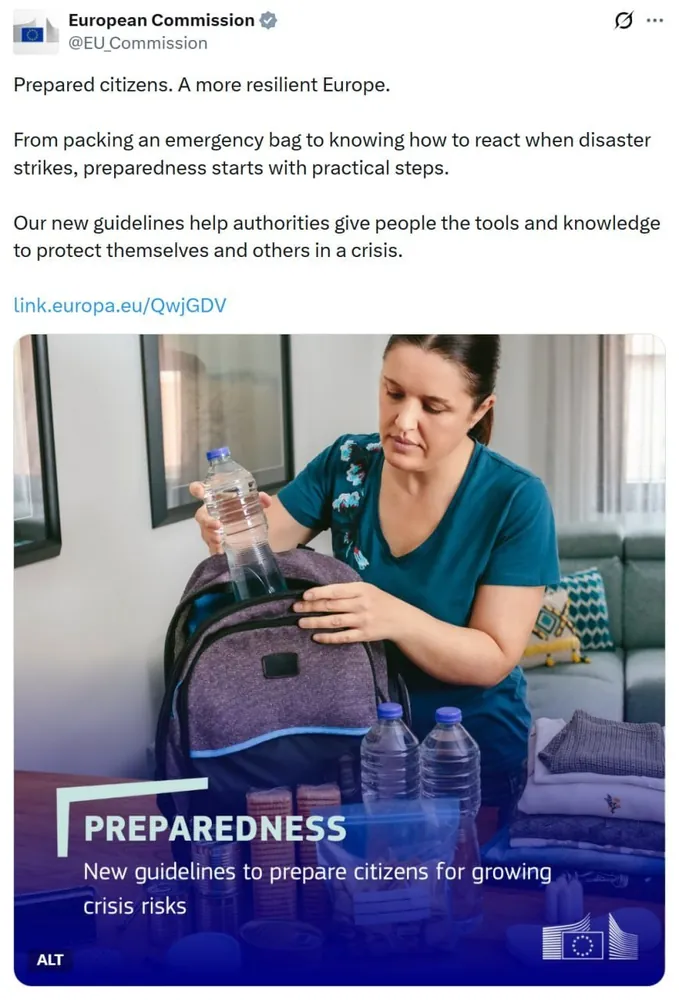
While we are going through a period in which the political and economic balances on the European continent have been shaken, recent statements issued by European Union institutions have attracted the attention of the entire world. Senior officials based in Brussels sent a direct message to citizens across the continent, stressing the need for strategic preparedness against potential upcoming crises. This warning indicates not only an economic downturn, but also a period of multidimensional instability that may result from energy security and geopolitical tensions. The fact that the European Commission and relevant units have used such clear language demonstrates the seriousness of the situation and that preparations are no longer an option, but an obligation.
The multidimensional structure of the crisis and its background
If we look at the background of the warning in question, it seems that Europe is facing not a single problem, but a series of problems that provoke each other. The fact that geopolitical tensions on the Ukrainian-Russian line threaten the security of energy supplies, global inflationary pressures are eroding purchasing power within Europe, and disruption of supply chains are among the main factors that make this warning inevitable. It is noteworthy that, unlike the temporary fluctuations we witnessed in previous years, the situation we face this time requires a structural transformation and a long-term “crisis management” period. European Union leaders stress that fluctuations in energy costs and risks to food security could reach levels that could affect the social system.
Analysts state that this warning is actually a process of "psychological preparation." European societies may need to adapt to more stringent austerity measures and change living standards to maintain levels of well-being. On the political scene, this situation is expected to test solidarity among Member States and may increase internal political tensions in some countries. Economic models are expected to move from the old system that focused on low inflation and high growth to a new model that focuses on “flexibility” and “crisis management.” This transitional process appears to lead to a radical change in countries' budget discipline and individuals' consumption habits.
What to expect next? It is expected that the European Union will translate this warning into concrete policies in the coming period. In particular, radical steps to reduce energy dependence, increase budgets allocated to the defense industry and introduce economic protectionist measures are among the possible scenarios. For citizens, dealing with rising energy costs, tightening monetary policies, and changing global trade routes may become a new reality of daily life. How transparent and coordinated Brussels is in managing this process will be the most important factor that determines how little damage Europe may suffer from this stormy period.





COMMENTS (0)
Community CommentsNo comments yet. Be the first to share your thoughts on this story!