

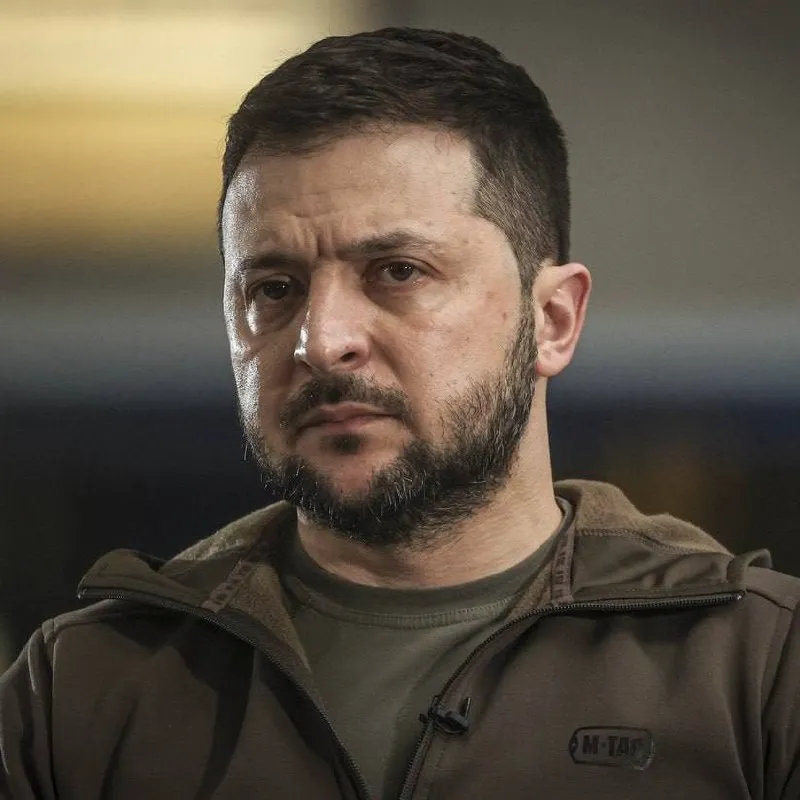
Elon Musk, one of the most influential names in the world of technology, is on a critical threshold regarding the Ukrainian-Russian war. He took a clear position against the use of broadband Internet service provided via Starlink satellites for military purposes that would affect the course of the war. In response to Ukrainian President Volodymyr Zelensky's request to include these technological opportunities directly in military operations, Musk announced that he rejects this request.
In his statement, Musk outlined the limits of using the system as a military weapon. He stated that this network, designed for civilian purposes, would not be allowed to become a direct part of the war. This move launched a new wave of debate about the technological dimension of war and the role of the private sector in conflicts.
The limits of the technology giant on the battlefield
This service provided by SpaceX has been widely used by the Ukrainian military to protect communications infrastructure since the beginning of the war. Coordination between forces in the field, drone operations and data flow has continued uninterrupted, thanks in large part to these satellites. However, Musk's red line is that the system is not only used for communications but also for military activities such as direct attack and target identification.
The dynamics of war are changing rapidly. Unmanned vehicles and cyber operations replacing conventional weapons make Internet access a vital component. This restriction by Musk could directly affect Ukraine's tactical capabilities in the field. It is feared that the advantage provided by technology could escalate a global conflict. This situation shows once again the ability of technology companies to be decisive in international crises.
The ambiguous role of the private sector in war decisions
The fact that the CEO of a company can directly interfere in a country's military strategy upsets geopolitical balances. Strategic assets such as Starlink satellites are now not only commercial products but also items of national security. This tension between the sovereign rights of states and the operational limits of private companies also demonstrates a legal gap.
Given the background to the process, there is remarkable complexity in the way the tech giants manage geopolitical risks. These systems, which facilitate humanitarian aid and communications on the one hand, have the potential to increase the violence of war on the other. The fact that companies are directing the course of the war in line with their own policies creates a large area of debate in the international community.
The balance of global politics and technology is shaking
This decision taken by Musk will also test the relationship between Western allies and the technology sector. While the Ukrainian administration is demanding all kinds of technological support to increase its defense capability, this position on SpaceX may spark a diplomatic crisis. Political authorities may have to accept that a private company determines the boundaries of war.
It is possible to expect new regulations regarding the military use of satellite technologies in the coming period. In an era in which war is fought not only between soldiers and tanks, but also between software and satellites, rewriting the rules seems inevitable. The most important point to follow is what strategy Ukraine will develop against this restriction and in what direction Musk's position will develop during the course of the war.
Source: Al-Yassar newspaper





COMMENTS (0)
Community CommentsNo comments yet. Be the first to share your thoughts on this story!