

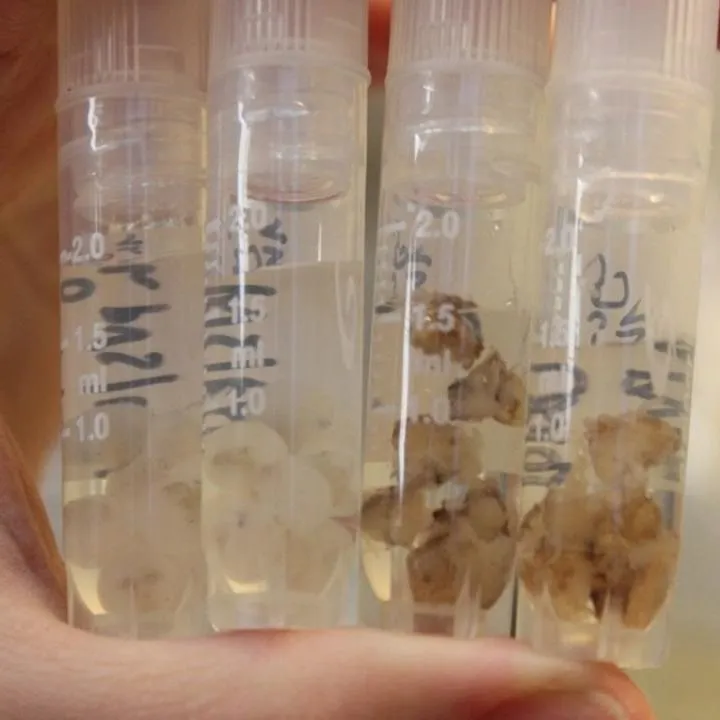
Türkiye’s agricultural richness and the plant diversity that has existed in Anatolian lands for generations are facing environmental threats brought by the modern world. A scientific shield is being created to protect this huge biological heritage. Erciyes University is implementing a giant project to protect genetic resources, one of the most valuable treasures of our country. The high-tech facility to be established will preserve local vegetable and plant species under the most extreme conditions.
At the heart of the project is the cryopreservation method, which allows the preservation of biological materials by stopping their life cycle. Plant tissues and seeds will be preserved with freezing technology at minus 196 degrees. This method completely stops the biological activity of cells and prevents the DNA structure from deteriorating. Thus, the local species we have today will be able to reproduce with their original vigor even after tens or even hundreds of years.
Strategy to Preserve Türkiye’s Genetic Resources Heritage
The establishment of this facility is not only a laboratory endeavor but also a matter of national security. The loss of local seeds and plant species directly threatens our food security. This study, to be conducted within Erciyes University, aims to safeguard Türkiye’s biodiversity on a global scale. By freezing the genetic codes of endemic species specific to the region with this method, scientists will prevent the extinction of species in the event of a possible disaster or climate change.
The process requires meticulous discipline, from plant collection in the field to the freezing stage in the laboratory. After examining the genetic structure of each plant species, the most suitable storage conditions will be determined. This delicate balance is vital for species to return to the land in the future.
Biodiversity in the Context of Climate Crisis and Food Security
Climate change around the world is irreversibly changing agricultural areas and plant populations. Drought, extreme temperatures and changing rainfall regimes make it difficult for native plant species to survive in their natural habitat. This situation leads to a decrease in the diversity of seeds used in agricultural production. The increased use of uniform seeds creates an agricultural sector vulnerable to plant diseases.
The genetic resources our country has are our greatest point of resistance against these crises. The genetic resistance of local species provides a unique data set to develop future agricultural technologies. This facility in Erciyes will not only preserve the past, but also serve as a data center for the development of new species resistant to the climate crisis.
A New Door Opens to Scientific Research
With the facility becoming operational, a new era will begin in the field of biotechnology and agricultural sciences in Türkiye. Academic studies to be carried out at the university can pave the way for inventions that will set an example for the world in genetic engineering and plant breeding. By studying frozen materials, researchers will be able to analyze more deeply how plants respond to stress factors.
In the coming period, the capacity of the facility is expected to be increased and integrated with international gene banks. Preserving local heritage is not only an academic achievement, but also the greatest biological legacy to be left to future generations. This strategic move is considered as an element that will reinforce Türkiye’s agricultural sovereignty.
Source: BPT







COMMENTS (0)
Community CommentsNo comments yet. Be the first to share your thoughts on this story!