

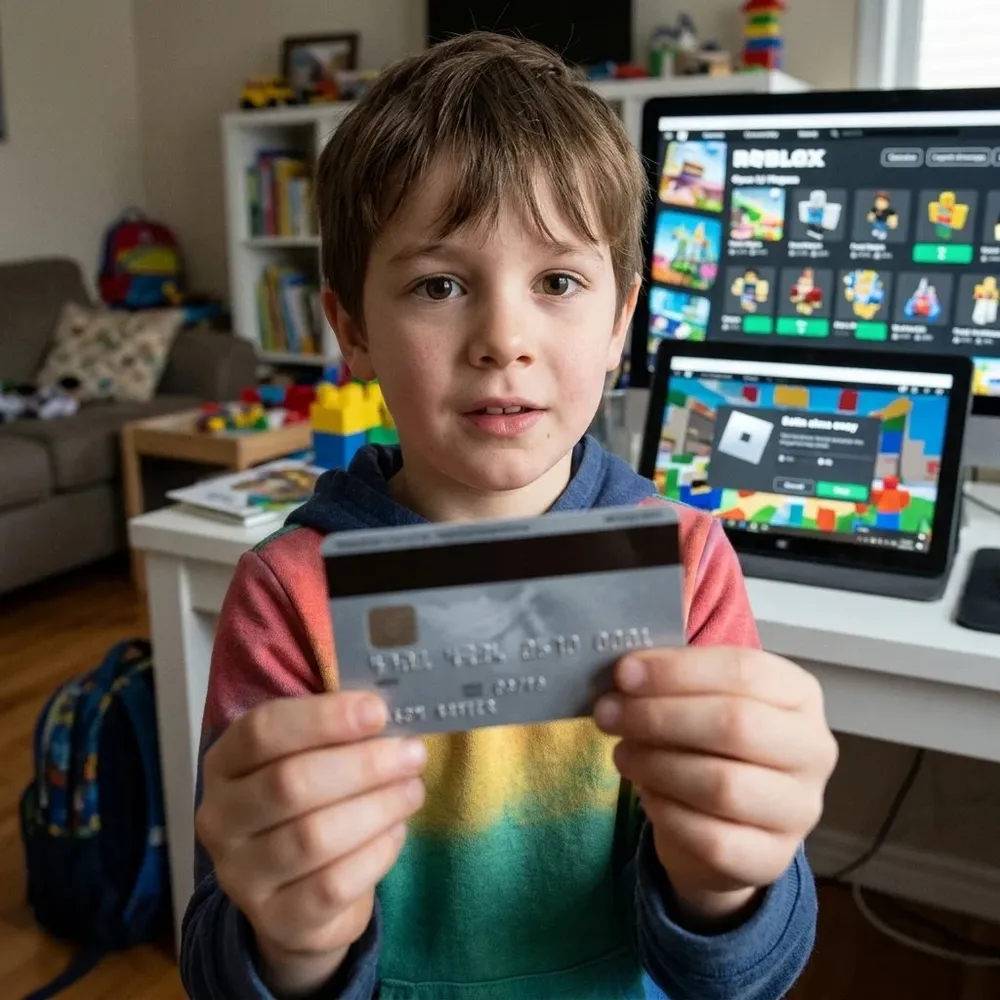
The incident in Canada clearly showed how dangerous uncontrolled spending in the digital world can reach. A nine-year-old boy spent a whopping $20,000 using his family’s credit card while playing a game. These transactions made through the Roblox platform have reached a level that shook the financial balance of a family.
These expenses made by the young user for the items he wanted to have in the virtual world within the game took place without the awareness of the parents. Although the family tried to contact the bank and the relevant platform as soon as they realized the situation, the process did not progress as they expected. This financial loss once again brought the uncontrolled aspects of the digital economy to the agenda.
Era of Uncontrolled Spending in Digital Games
Micropayment systems in the gaming world can cause children and even adults to lose control. These transactions, which take place within seconds with a single click, rapidly trigger consumption habits in a virtual world. Virtual currencies offered on platforms such as Roblox create an illusion that does not make you feel the value of real money. Children cannot understand how much these expenses they spend in front of the screen have in real life.
Virtual items, character upgrades and in-game advantages seem like indispensable rewards for young users. When this situation is combined with the reward mechanisms designed by game companies, the spending trend becomes unstoppable. Weak security measures on devices that have access to families’ credit card information paves the way for such incidents.
Company Policies and Return Issues
After this great loss, the aggrieved family made an official request for refund to the game company. However, the gaming giant rejected the refund request after reviewing all applications. This strict stance of the company has brought about serious discussions about digital consumer rights. Terms of use and digital contracts are generally designed to protect companies in such situations.
From a legal perspective, the validity of such expenses made by minors is a controversial issue. However, the internal policies of the platforms make refund processes very difficult based on user agreements. The view that companies should impose stricter financial controls on platforms open to children’s use is gaining ground.
Parents’ Guide to Digital Safety
This incident is a very serious warning for all families raising children in the digital age. It is necessary to face the fact that not only one game, but all internet-based platforms carry financial risks. Parents must create firewalls such as two-step verification and spending limits on the devices their children use.
The increase in such cases in the future may necessitate the redefinition of the legal and ethical responsibilities of technology giants. In the current system, the fact that the spender is a child is seen as a sufficient reason for companies to avoid responsibility. The public and lawyers are expected to hold deeper discussions on child protection mechanisms on digital platforms.
Source: BPT




COMMENTS (0)
Community CommentsNo comments yet. Be the first to share your thoughts on this story!