

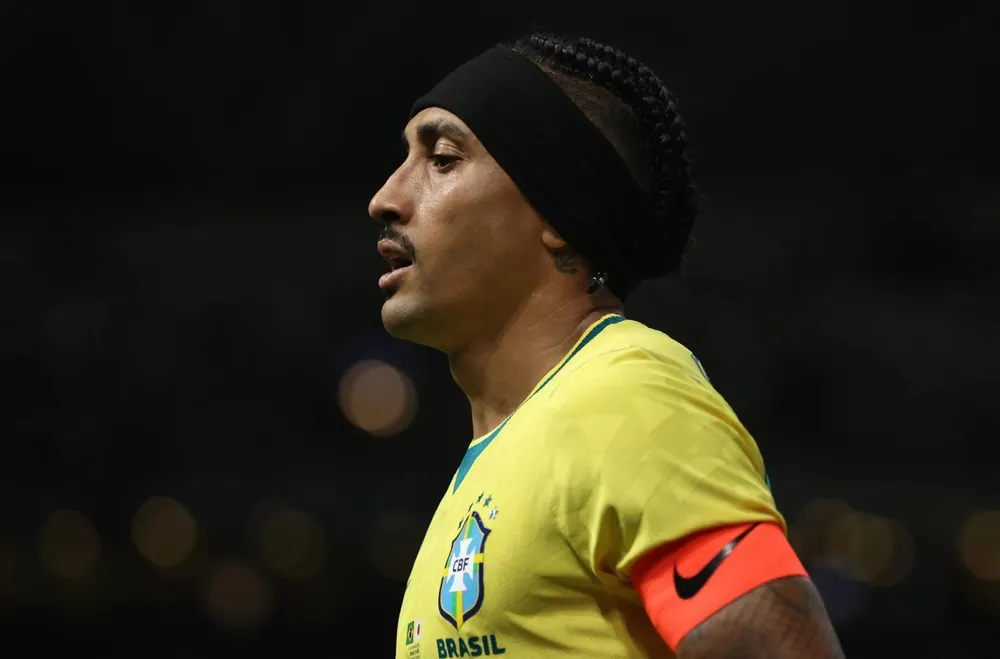
Raphinha, known for his endless energy and aggressive playing style on the field, faces one of the toughest physical tests of his career. The star player explained that the injuries he has suffered recently are not just misfortunes, but are in fact the result of a battle with his playing identity. The unfortunate injury he suffered, especially during the World Cup, was a breaking point that shook the player's physical and mental balance.
Although Rafinha always aims to play 100% on the field, he admits that his body cannot always respond in the same way to that rhythm. The fact that he does not give up on his ambition on the field even when he does not feel ready makes him a source of concern for both his teammates and the medical team.
The conflict between physical boundaries and the game character
The biggest dilemma a player faces, in the process bearing deep injury scars, is that he is torn between professional advice and his own instincts. Rafinha says doctors and physical therapists constantly warned him to slow down his rhythm. However, these warnings create a situation that stands in stark contrast to his presence on the pitch.
For a star footballer, slowing down means not only a change of pace, but also letting go of his playing persona. That aggressive nature, kicking every ball down the field and pushing every race to the limit, pushes the body's biological limits. This situation creates a cycle that leads to self-exhaustion for the player.
Health teams' warnings and football players' resistance
The condensed fixture schedule and high-intensity playing tempo brought by modern football threatens the health of athletes more than ever before. This situation, which we see in the example of Rafinha, is actually the common tragedy of many elite-level footballers. While physiotherapists expect a player to play in a more controlled manner in order to protect muscle and joint health, a footballer wants to use all his strength to create the same effect on the pitch.
This resistance increases the risk of recurrence. This gap between a player's physical ability and mental ambition is considered one of the most difficult balances to manage in the world of professional sports. The actor's statement that "my body is paying for this" actually shows how delicate this balance is.
The future period and the problem of physical endurance
The most important thing for Rafinha in the coming period is the path he will follow to prevent the recurrence of injuries. Will he follow the advice of his medical team and update his playing style, or will he take a risk and continue with his current character? The answer to this question will determine the player's stability for the rest of his career.
This physical wear and tear on the star not only directly affects his career, but also affects the plans of the club and national team in which he plays. It is a fact that teams need more strategic approaches when managing such high intensity players.
Source: GDH Sports





COMMENTS (0)
Community CommentsNo comments yet. Be the first to share your thoughts on this story!