

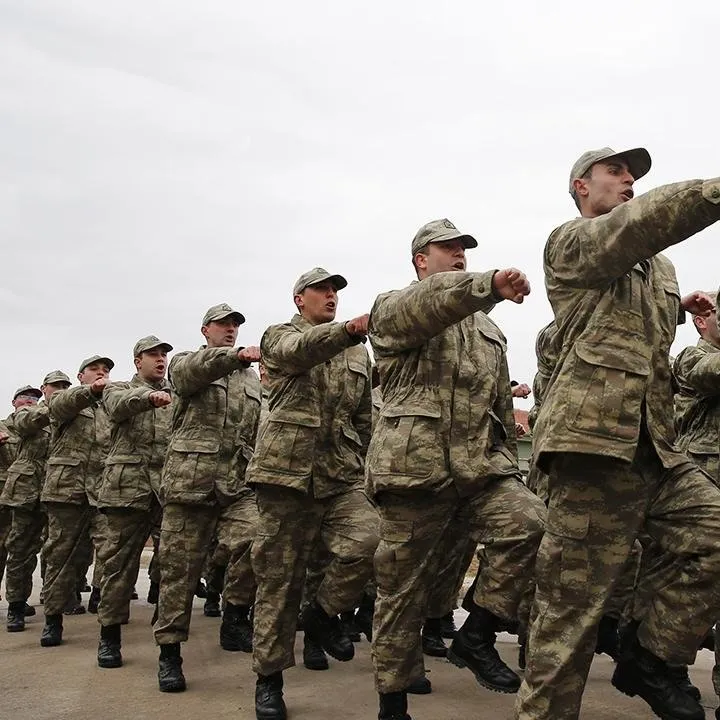
The numbers are clear. Last year, the number of citizens benefiting from the Paid Military Service system across Türkiye was recorded as 101 thousand 212. This choice provided a tremendous cash flow to the state treasury. The total income generated reached 26 billion 205 million 696 thousand 360 TL.
This item, which is among the state’s budget items, has become one of the strongest financial inputs of the past year. Citizens’ desire to fulfill their military service obligation through short-term training left a direct and strong impact on public finances. More than 101 thousand participants show how broad the social impact of the system is.
Economic Dimension of Paid Military Service
The amount obtained, exceeding 26 billion TL, provides critical data in terms of public finance. This figure is not just a sum of military service fees; It constitutes a serious resource in the state’s budget balances. Transferring such a high amount of disposable income to the treasury creates an important financial basis for public investments and other budget items.
The functioning of the system is based on a financial balance at both the individual and state scales. Citizens choose this method in order not to disrupt their career planning or commercial activities. The amounts paid in return go directly into the state’s coffers and become a part of the economic cycle. The economic volume created by this mass of 101 thousand 212 people also proves the sustainability of the system.
Social and Sectoral Reflections
The reasons behind these choices are not only economic, but also directly related to professional life. Many business people, white-collar workers and students prefer this method in order to minimize workforce loss. This makes an indirect contribution to the continuity of the business world. Employees not being away from their jobs for long periods of time maintains productivity in the production and service sectors.
In the social structure, paid military service is accepted as a transition period model. It is considered a necessity of the modern working order that citizens do not completely stop their economic and social lives while performing their military service. This model allows the state to modernize the military service while also obtaining a serious source of income.
Expectations for the Future Period and the Course of the Process
The fact that the numbers are so high gives clues about how the system will be shaped in the coming period. In line with the goal of budget discipline and increasing public revenues, the financial effects of such regulations are closely monitored. Current data reveal that the system is progressing in functional balance in the eyes of both the state and the citizen.
In the coming years, the number of applications and the amount of income to be generated may follow a parallel course with economic indicators. The participation rate of 101 thousand 212 people shows that the demand remains vibrant. In which areas the state will use this income and how the cost structure of the system will be updated will continue to be followed by economic circles.
Source: BPT






COMMENTS (0)
Community CommentsNo comments yet. Be the first to share your thoughts on this story!