

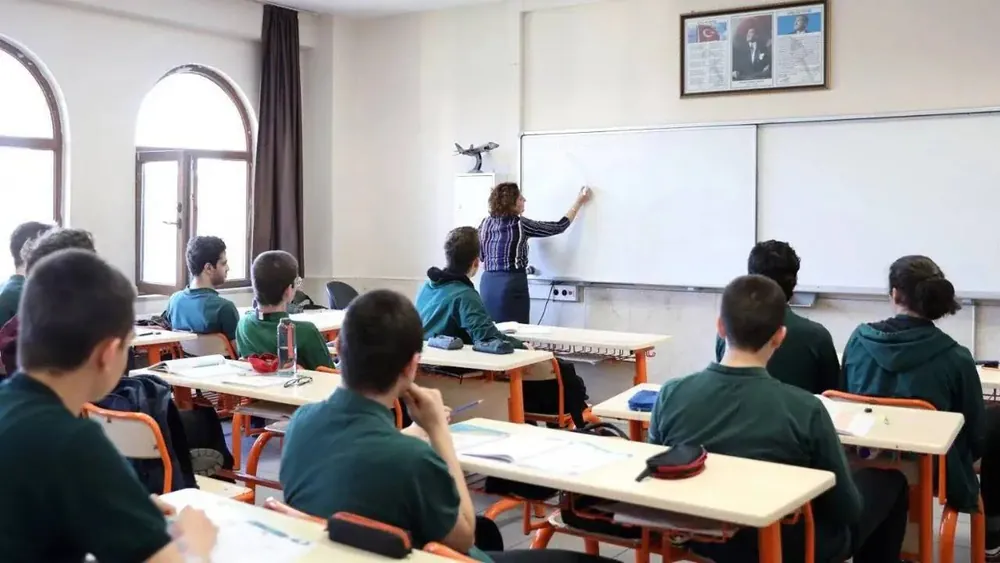
The education world in Bursa was enlivened by an unusual form sent to schools by the Bursa Provincial Directorate of National Education. The official form prepared by the directorate and sent to all educational institutions included very specific questions about whether students and staff performed Friday prayers. The form requested not only whether the prayer was performed or not, but also detailed information such as where, when and for how long the prayer was performed. The most striking point was that the schools that did not perform Friday prayers were asked to give written reasons for this situation. This development started a new wave of debate at the intersection of administrative functioning of educational institutions and religious practices.
New Topic of Discussion in Education
This practice brought about the monitoring of prayers through an official form, while the daily schedules, lesson hours and social activities of the schools were already proceeding at a very intense pace. In educational environments where similar discussions have occurred in the past, it has become a matter of great curiosity what the main purpose of such a data collection process is and for what strategic purpose the directorate will use this data. Intense disagreements began to emerge in the public opinion on whether such an inquiry would increase the administrative burden on school administrations and how it would affect the secularism-faith balance in the educational environment.
When looking at the in-depth analysis of the issue, the question of whether this type of data collection activity is just a statistical study or preparation for a new education policy comes to the fore. The process of harmonizing the physical facilities and social rights of educational institutions with religious sensitivities is one of the most delicate balances of the education system in Türkiye. While this practice in Bursa is, on the one hand, defended as an effort by school administrations to improve worship opportunities, on the other hand, it is criticized as a control and pressure mechanism because it "requires justification". This situation reignited discussions about where the boundaries of the managerial approach in education should be drawn.
What to Expect Next? In the coming period, it is critical how the Ministry of National Education will approach this local application and whether the data from this form will become a central policy. If comprehensive arrangements are made in the light of this data, from the physical conditions of schools to the curriculum, the doors of a new era can be opened in the education system. In addition, the legal dimension of the issue and how it will be evaluated within the framework of constitutional rights will be the main factor that will determine the course of these discussions in the education community and the way for similar practices in the future.






COMMENTS (0)
Community CommentsNo comments yet. Be the first to share your thoughts on this story!