

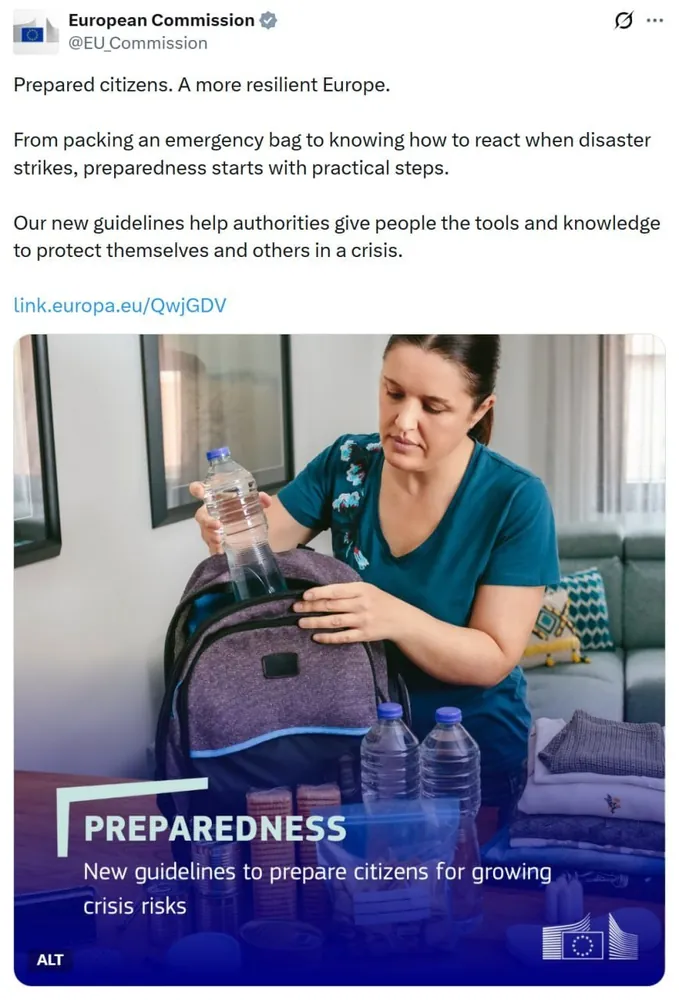
While we are going through a period in which the political and economic balances in the European continent are shaken, the latest statements from the European Union (EU) institutions attracted the attention of the whole world. Senior officials based in Brussels sent a direct message to citizens across the continent, emphasizing the need for strategic preparation against possible upcoming crises. This warning points not only to an economic contraction, but also to a period of multidimensional instability that can be triggered by energy security and geopolitical tensions. The fact that the European Commission and relevant units use such a clear language proves the seriousness of the situation and that preparation processes are no longer a choice, but an obligation.
Multidimensional Structure of the Crisis and Background
Looking at the background of the warning in question, it seems that Europe is not faced with a single problem, but a series of problems that trigger each other. The fact that geopolitical tensions on the Ukraine-Russia line threaten energy supply security, global inflationary pressures erode purchasing power within Europe, and breaks in supply chains are among the main factors that make this warning inevitable. It is stated that, unlike the temporary fluctuations experienced in previous years, the situation we face this time requires a structural transformation and a long-term "crisis management" period. European Union leaders provide subtext that fluctuations in energy costs and risks to food security could reach levels that could affect social order.
Analysts state that this warning is actually a "psychological preparation" process. European societies may need to adapt to stricter austerity measures and changing living standards to maintain their welfare levels. In the political arena, it is predicted that this situation will test the solidarity between member countries and may increase internal political tensions in some countries. Economic models are expected to transition from the old order focused on low inflation and high growth to a new model focused on "resilience" and "crisis management". This transition process seems to radically change both the budget discipline of states and the consumption habits of individuals.
What to Expect Next? In the coming period, the European Union is expected to translate this warning into concrete policies. In particular, radical steps to reduce energy dependency, increasing the budgets allocated to the defense industry and introducing economic protectionist measures are among the possible scenarios. For citizens, dealing with higher energy costs, tightening monetary policies and changing global trade routes may become a new reality of daily life. How transparent and coordinated Brussels will manage this process will be the most critical factor that will determine how little damage Europe will emerge from this stormy period.


COMMENTS (0)
Community CommentsNo comments yet. Be the first to share your thoughts on this story!