

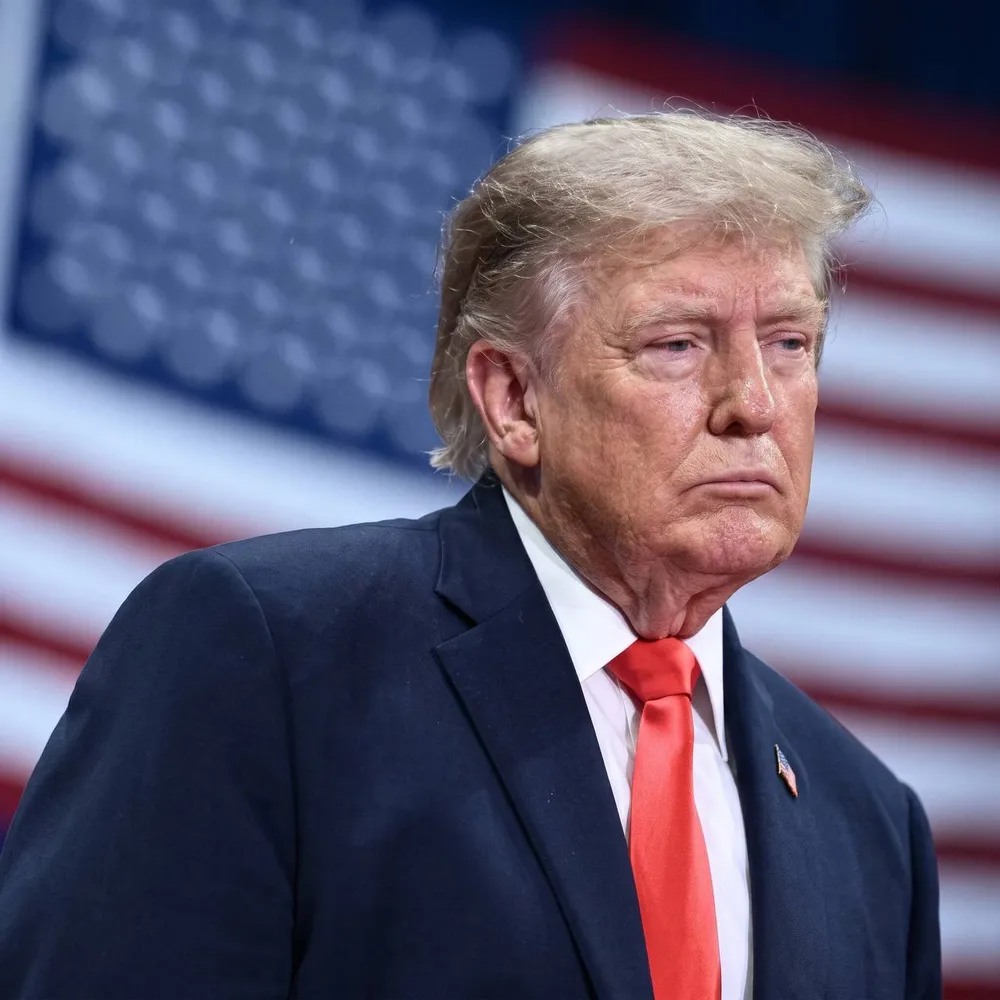
Donald Trump's latest statements are capable of radically shaking the balance of international politics. The former US President expressed his stance on the Iran Agreement in the harshest form and closed all doors. Trump redrawn Washington's red lines on the nuclear program, saying directly, "We rejected the deal with Iran." This clear stance is seen not only as a political statement but also as a breaking point that will change the direction of global diplomacy.
The tension between the White House and Tehran moved to a new dimension with this statement. This attitude of Trump suspended all hopes for the future of nuclear negotiations. The hardening of Washington's foreign policy axis forces all actors in the region to develop a new strategy.
Closure of Diplomatic Channels and Trump's Attitude
Trump's statement shows that diplomatic courtesy has given way to harsh reality. The decision is clear. No compromise. This attitude of the former president is considered as the most concrete reflection of the US's "America first" principle in foreign policy. Trump argues that the processes carried out do not coincide with the national interests of the USA. While this situation weakens the diplomatic leverage of the Tehran administration, it signals that Washington will use its pressure tools more actively.
The fact that the negotiation table remains empty is not just an issue between the two countries. This situation directly affects the global security architecture. Trump emphasizes the gaps in the content of the agreement and the inadequacy of control mechanisms and states that the current structure is unsustainable. This attitude of decision-makers in Washington will cause regional alliances to revise their strategies.
Nuclear Program Impasse and the Legacy of the Past
The nuclear agreement, which was signed in 2015 and occupied the world agenda, has been at the center of many discussions since then. Trump thinks that this text is insufficient to restrict Iran's nuclear capacity. Past diplomatic efforts were not a solution in Trump's eyes, but rather a process that made the United States look weak.
The technical details of the agreement, and the claim that Iran only postponed its nuclear activities rather than completely stopping them, form the basis of Trump's harsh stance. This perspective brings with it a more aggressive defense policy against the risk of nuclear proliferation. Therefore, this rejection of the Iran Agreement is actually an accounting of the past and a preliminary preparation for the harsh policies of the future.
A New Line of Tension in the Middle East?
Regional countries are following this statement very closely. Oil markets, Israel's security concerns and Saudi Arabia's position in the region will be directly affected by Trump's stance. This move by Trump may usher in a period in which military and economic pressure may increase in the Middle East. Tehran's reaction will determine how high the tension in the region will rise.
The course of the process will be shaped not only by diplomatic texts but also by military activity in the field. Washington is expected to further tighten its sanctions policies. This situation brings about a process that will directly test global energy supply and regional stability. In the coming period, how the international community will deal with this new and harsh political reality will remain the biggest question mark.
Source: Leftist Newspaper





COMMENTS (0)
Community CommentsNo comments yet. Be the first to share your thoughts on this story!