

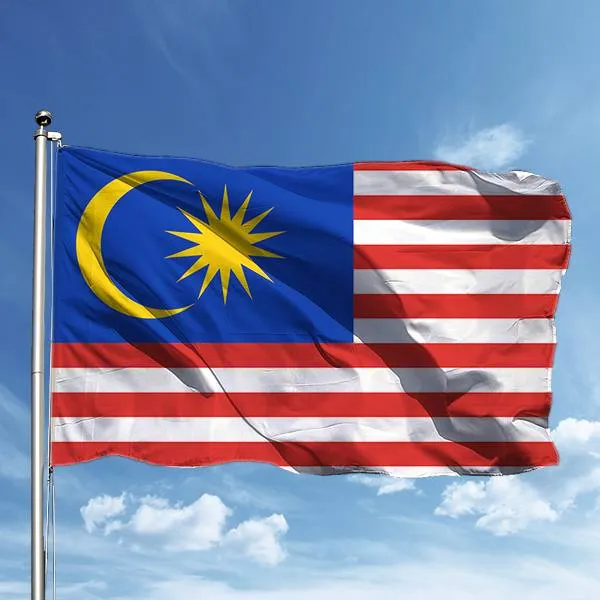
The Malaysian government has publicly announced a refugee transfer plan that will have a great impact on the international community. According to the statement, Rohingya Refugees, one of the groups where the humanitarian crisis in the region is felt most deeply, will be settled in Türkiye through vocational training programs. The scope of this huge operation includes approximately 10 thousand people.
Malaysian Deputy Prime Minister Hamidi stated that the Turkish government opened its doors for this refugee group and an agreement was reached. Hamidi's statements show that diplomatic contacts between the two countries have moved to a new dimension on the axis of humanitarian aid. However, despite this assertive statement by the Malaysian side, there has been no confirmation or official statement from the Turkish authorities yet.
A New Placement Model Focused on Vocational Education
The plan in question seems to be built on a very different structure than a classical refugee acceptance process. The cornerstone of the project is planned to not only accommodate refugees but also directly integrate them into the labor market. Rohingya Refugees will be included in a specific vocational training program from the moment they arrive in Türkiye. This model aims to transform refugees into individuals who can stand on their own feet, rather than a long-term dependency.
Although it is not yet clear how the process will work, it is a matter of great curiosity in which sectors the training programs will be concentrated. If the plan is put into effect, coordination between vocational education institutions in Türkiye and Malaysia will constitute the most critical leg of this process. This situation points to a more structured integration model that goes beyond the traditional approaches to the refugee issue.
Effects of Global Crisis and Regional Diplomacy
The Rohingya people constitute one of the largest displaced populations in the world due to the persecution they have experienced in Myanmar and surrounding regions for years. Southeast Asian countries such as Malaysia have been carrying the burden of this crisis on their shoulders for a long time. Malaysia's desire to cooperate with a strategic partner like Türkiye in order to alleviate this burden is proof that the humanitarian crisis in the region now requires global solidarity.
Such large-scale transfers are directly linked not only to the humanitarian dimension, but also to the depth of political and diplomatic relations between the two countries. Türkiye's humanitarian leadership role in the region may be a determining factor in Malaysia's submission of this offer. However, the social and economic effects of such large-scale migration movements involve complex processes that always need to be analyzed carefully.
Ankara's Silence and the Future of the Process
The formalization of this agreement, which was announced by Malaysia, depends on the decision to be made by Türkiye. Ankara's silence for now suggests that the issue is still at the consensus stage or that time is needed to complete the official protocols. The public began to wait to see how this mobility of 10 thousand people would be compatible with Türkiye's current immigration policies.
In the coming days, the statements from the foreign policy and internal security units of the Republic of Turkey will determine the course of the issue. If the agreement becomes official, this could open a new door in relations with the countries in the region and strengthen Türkiye's position in the field of humanitarian diplomacy. The progress of the process will be shaped by the clarification of many technical details, from vocational training to settlement plans.
Source: Leftist Newspaper




COMMENTS (0)
Community CommentsNo comments yet. Be the first to share your thoughts on this story!