

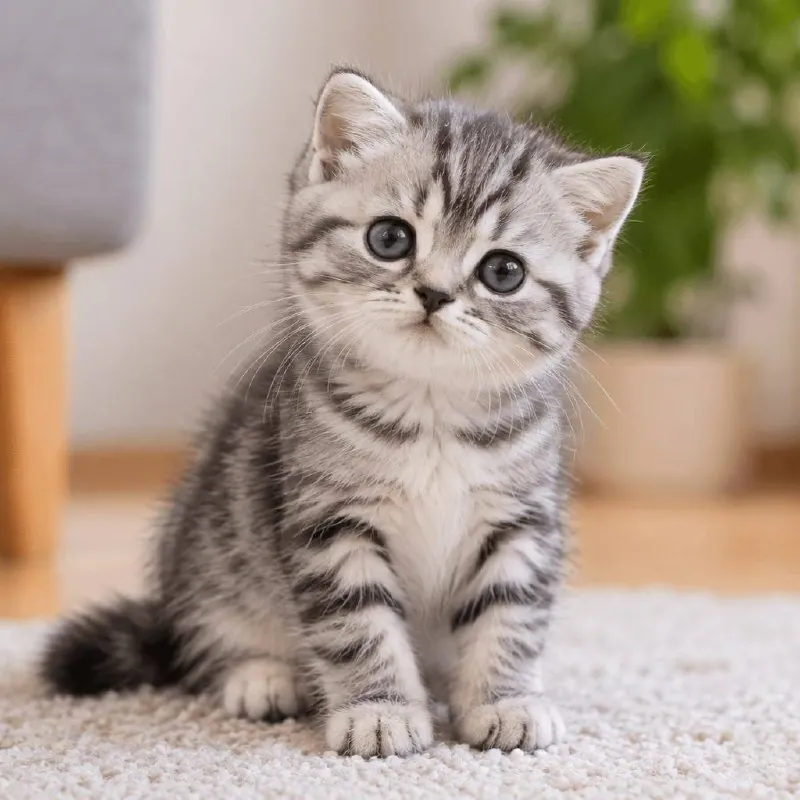
Inflationary pressures and the rise in raw material prices, which have recently gained momentum, continue to directly affect the budgets of pet owners. According to current market research and consumer data, the annual cost of caring for a cat in Turkey has increased to an average of 16 thousand 600 TL. This figure; It represents a very wide range, covering not only food expenses, but also sand, toys, hygiene products and routine health checks. Pet owners, in particular, are forced to restructure their monthly expenses due to price increases in basic necessities.
Main Reasons for Increasing Costs
One of the main reasons behind this cost increase is the exchange rate fluctuations in imported cat food. The costs of protein sources, vitamin supplements and grains used in cat food production, combined with disruptions in the global supply chain, are directly and harshly reflected in retail prices. In addition, the increasing costs of medicines, vaccines and medical equipment in veterinary services make routine checks an economic burden. Price increases in hygiene products such as sand stand out as one of the items that are most felt among regular monthly expenses and shake the budget the most.
From an economic perspective, this sector, called the "pet economy", actually has a fairly large volume. However, increasing costs have reached a critical level that may affect the pet adoption decisions of families in the middle and lower income groups. While consumers are now turning to more economical alternatives, bulk purchasing opportunities or more affordable brands, price competition in the sector is also intensifying. Experts state that pet owners are trying to develop more conscious consumption habits in order to balance costs in this process.
What to Expect Next? Going forward, pet care costs are unlikely to remain stable at current levels. Global inflationary pressures and changes in logistics costs may continue to increase expenses for cat and dog owners. However, it is predicted that this situation may increase adoption rates from shelters or people will turn to more economical and sustainable methods of pet care. It is emphasized that it is vital for pet owners to create an "emergency fund" not only for routine expenses but also for unexpected health problems when planning their budget.






COMMENTS (0)
Community CommentsNo comments yet. Be the first to share your thoughts on this story!