

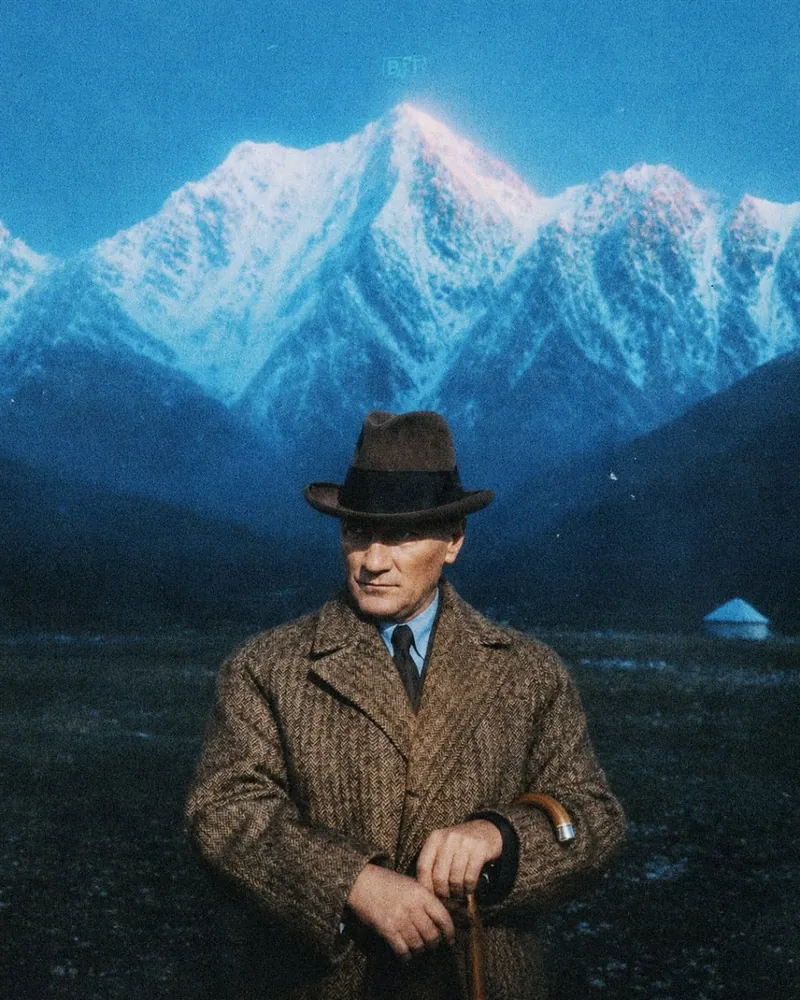
Throughout human history, many great figures, leaders and thinkers have passed away. However, these separations bring not only physical extinction, but also a critical question about how to preserve the huge intellectual corpus left behind. While humanity often goes into a deep mourning process for the loss of great names, the fact that the real issue is to keep alive the values those names represent, rather than filling the void created by this loss, is often ignored. The real legacy of a thinker or leader is hidden not in the tears shed after him, but in the transformation of the principles he defended into the guide of society. At this point, it is vital to transform the emotional void created by the loss into an intellectual responsibility.
Immortality of Ideas and Social Memory
From a historical perspective, it can be seen that societies that only mourn have remained in place, while societies that embrace ideas and modernize them have come of age. Grief is a temporary emotional response and offers individual consolation; However, this process may put society into a period of stagnation. However, commitment to ideas is a collective consciousness and social responsibility. The end of an era should not mean the disappearance of the ideas that built that era. On the contrary, the departure of great names is the best time for their ideas to no longer be dogmas but to become living, discussed and evolving guides.
When taken with an analytical approach and when social development processes are examined, behind the great changes lie not only the names but also the intellectual movements triggered by those names. Even if a leader's physical existence ends, the systems he established, the sense of justice he advocated, or the scientific methods he advocated continue to be passed on for generations. At this point, the statement "There is no need to mourn the great dead" is not actually a disrespect, on the contrary, it is the highest tribute that can be paid to those great figures. Because bringing an idea to life is much more difficult than just mentioning it and leaves a much more permanent mark.
What to Expect Next? The main factor that will determine the quality of societies in the future will be how they interpret the great legacies of the past. Structures that remain stuck in the past and live in a constant state of mourning will become closed to innovation and development. Instead, societies that can build new structures on the intellectual foundations left by the elders and modernize and apply the ideas according to the conditions of the day will continue to have a say in the global arena. Therefore, our main duty is not to cry after the elders, but to build the future by integrating their vision into today's world.





COMMENTS (0)
Community CommentsNo comments yet. Be the first to share your thoughts on this story!