

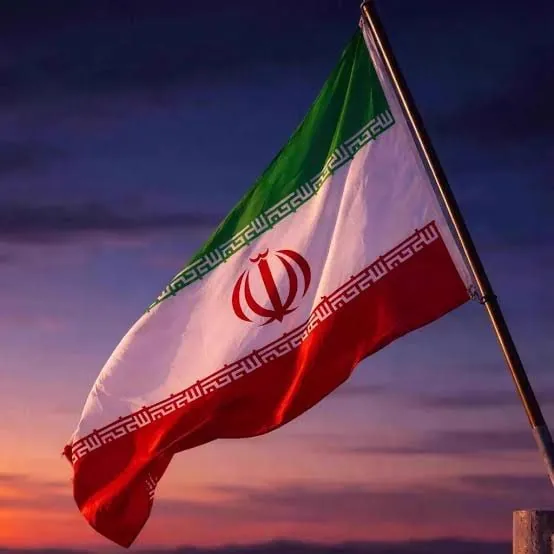
US President Donald Trump made a striking and provocative statement regarding Iran's nuclear program, one of the most critical issues in the Middle East. In the latest evaluations, Trump pointed out how having nuclear weapons radically changed the hierarchy in international politics and stated that the diplomatic approach would completely change if Iran had a nuclear power. Trump said, "If Iran had nuclear weapons, I would address them as 'Sir'," giving a harsh message that nuclear deterrence could even rewrite the rules of courtesy and protocol between states. This statement was interpreted not just as a statement but as a statement of reality about the global balance of power.
Background of the Incident
The basis of these statements lies in the nuclear tension and sanctions that have been going on between the USA and Iran for years. While Iran's nuclear program is claimed to be carried out for peaceful purposes by a part of the international community, another part is concerned that this program has the potential to develop nuclear weapons. The tension that escalated with the withdrawal from the nuclear agreement, especially during the Donald Trump era, constantly shakes the military and diplomatic balances in the region. Trump's statement once again brought to the agenda that nuclear armament is not only a military capacity, but also the highest level power element that determines the way of sitting at the global table and diplomatic "respect".
The phrase "Sir" used by Trump is actually a direct reference to the concept of "realpolitik" in international relations. Political scientists emphasize that such discourses make nuclear weapons not only a tool of destruction, but also a "diplomatic armor" and "bargaining power". Trump draws attention to the asymmetrical power relationship created by nuclear armament, implying that a state with nuclear power will become an actor that sets the rules or at least can defy the rules in the global system. This situation brings with it a dark picture of how diplomatically vulnerable countries that do not have nuclear weapons can be.
What to Expect Next? Following such harsh and direct statements, it is expected to enter a critical period in terms of the nuclear arms race and the course of diplomatic negotiations in the Middle East. It is a matter of curiosity how the Iranian administration will respond to these discourses and how other actors in the region – especially countries such as Israel and Saudi Arabia – will update their security policies. If nuclear armament continues to be seen as a tool of "prestige" and "diplomatic power", the effectiveness of international control mechanisms (such as the IAEA) in maintaining the nuclear balance in the region will be put to a serious test. In the coming period, how nuclear deterrence will shape diplomatic language will continue to be one of the most important topics of discussion in global geopolitics.


COMMENTS (0)
Community CommentsNo comments yet. Be the first to share your thoughts on this story!