

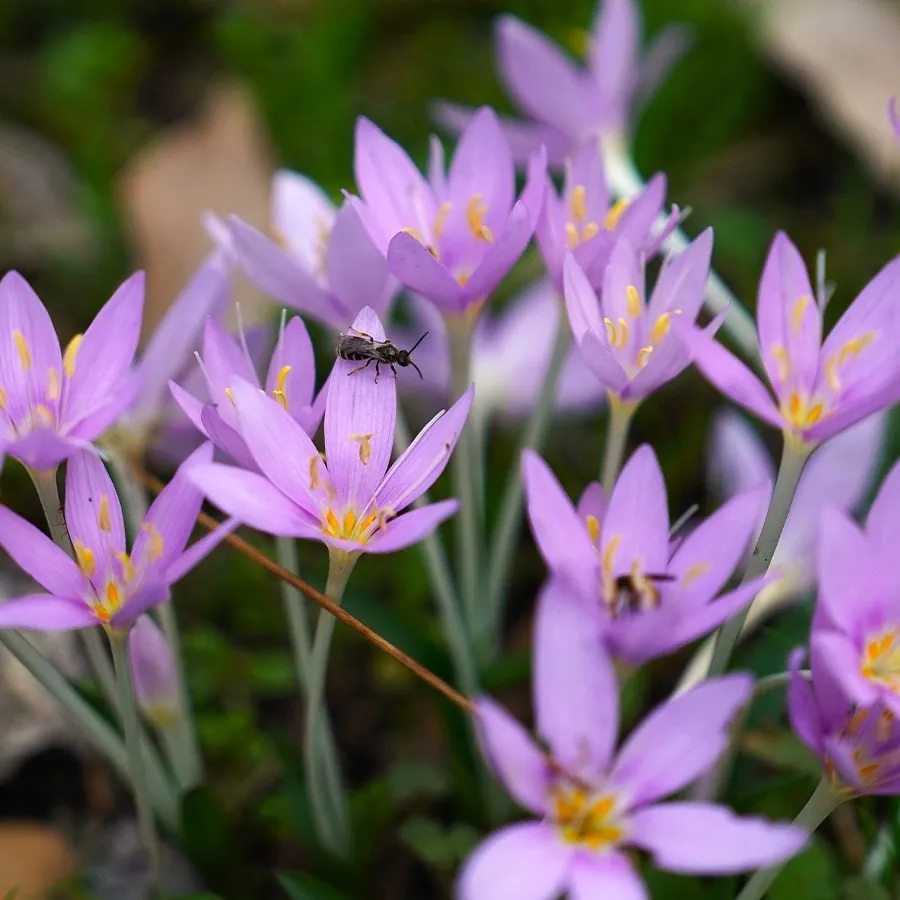
Antalya's steep cliffs and unique vegetation once again proved that it is home to one of the world's rarest natural treasures. The Termessos crocus, which is one of the most important symbols of the biological diversity of the region and grows only in this geography in the world, came to light again with recent field observations. Within the scope of intensive studies carried out to preserve this delicate balance of nature, it was determined that the plant continues to exist in a healthy way in its natural habitat. However, the preservation of this unique beauty is not only a biological necessity, but also a state policy supported by very strict legal sanctions.
Nature's Rare Heritage: Termessos Crocus
Termessos crocus is not just a flower, it is an integral part of Antalya's ecosystem and a genetic heritage that should be protected on a global scale. Since it is an endemic species, the extinction of this plant means an irreparable decrease in species diversity in the world. This species, which grows in mountainous areas and very special microclimates in the region, can face many global threats such as climate change and uncontrolled human intervention. For this reason, experts emphasize that the areas where the plant grows should be monitored much more strictly and a constant control mechanism should be operated to ensure that its natural habitat is not damaged by any human hand.
The attitude of the relevant institutions regarding the protection of the plant is quite clear: "Zero tolerance." The penalties imposed in cases where the Termessos crocus is removed from its natural environment, damaged or collected for commercial purposes have been determined at a level that will push the limits of deterrence. With the latest regulations and inspections, the penalty for damaging this rare flower has been announced as 699 thousand 245 TL. This astronomical figure is not just a fine, but also a very strong message about how serious the consequences of crimes against nature will be. Authorities state that protection activities in the region will be increased and an uncompromising fight will be waged against illegal collection attempts.
What to Expect Next? In the coming period, new steps focused on both technological and social awareness are expected to be taken to protect the Termessos crocus. Experts predict that monitoring efforts with drone technologies will be intensified to protect the plant's habitat and that educational activities will increase to make the local people more aware of this issue. In addition, observing the delicate balance between the ecotourism potential and the protection of such endemic plants is of critical importance in order to transfer Antalya's natural riches to future generations. Hearing this silent but magnificent scream of nature is seen as the common responsibility of all humanity.







COMMENTS (0)
Community CommentsNo comments yet. Be the first to share your thoughts on this story!