

Every corner of modern life is surrounded by digital data, satellites and an endless flow of information. Now, going to the most remote corner of the world, knowing where a person is or learning about an event in seconds has become child's play. Scientific progress makes us feel like we are unlocking the secrets of the universe one by one. However, the striking view put forward by The Economist magazine in its latest analysis points to a very different gap in the midst of this feeling of saturation.
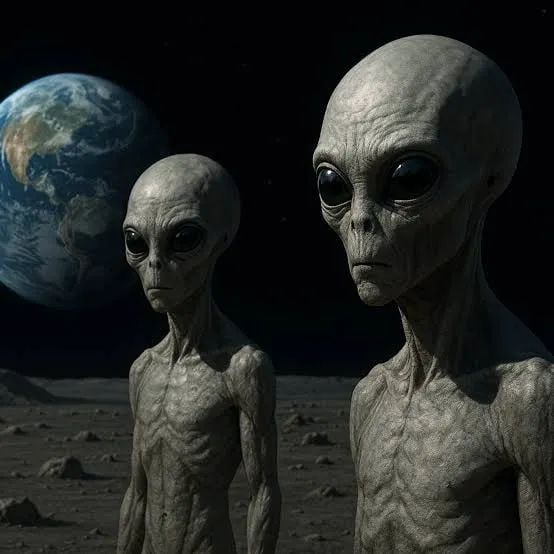
As humanity, we have mapped everything, located every atom, and deciphered every biological structure. But despite all this technological superiority, there is still a huge piece missing from our lives. As the magazine emphasizes, the only real thing missing from modern life is aliens. This deficiency is not just a scientific curiosity, but also a deep issue regarding the fading of the old, discovery-based excitement of the human spirit.
The Limits of Science and Cosmic Loneliness
Technology has put the world in the palm of our hands. Everything is measurable, everything is predictable, and everything has become part of an algorithm. When we look at the sky, we no longer just see fascinating star clusters; We see data sets that need to be examined more. This situation is slowly dissipating the ancient and mysterious atmosphere of the universe. As scientific data increases, that old sense of discovery is replaced by technical reports and cold facts.
Humanity has lost its awe-inspiring fear of the vastness of the universe. Living in an age where everything can be explained kills the sweet excitement that comes with the unknown. The silence about aliens actually means modern man confronting his own loneliness. Not having encountered anyone in an environment where the universe is so vast and galaxies are so numerous remains one of the biggest impasses of science.
Why Haven't We Found An Answer Yet?
The scientific world has been grappling with the same question for years: Why haven't we encountered anyone? This question is known as the Fermi Paradox in the literature. The contradiction between the gigantic size of the universe and the absolute silence we encounter continues to challenge the human mind. Perhaps technological civilizations are very short-lived, or perhaps we are not yet at the frequency to hear them.
This silence is not just an astronomical problem. It also creates a social vacuum. Humanity holds as hope the possibility of encountering an intelligence superior to or different from itself. This hope is fueled by the desire to feel that we are part of a larger whole, beyond all the chaos, wars and petty calculations in the world. The absence of concrete evidence leaves a sense of incompleteness in our collective consciousness.
The Future of Discovery and Human Psychology
If one day that anticipated first contact occurs, it will not just be a scientific revolution. Everything, from belief systems to political structures, from law to social morality, will be radically shaken. The moment humanity realizes that it is not the sole ruler of the universe, it can realize how meaningless the small conflicts within itself are. This discovery has the power to turn the entire world of modern man upside down.
Until then, that deep, dark void in the sky will remain modern man's greatest quest. Even though scientific research is deepening, the fact that that great mystery has not yet been solved may actually be the only thing that makes the world livable. Maybe what we need, rather than answers, are those endless questions that we can keep asking.
Source: ConflictTR







COMMENTS (0)
Community CommentsNo comments yet. Be the first to share your thoughts on this story!